In many countries, the time is changed twice a year. Regardless of when these changes occur, the effect they have on your analyses is similar.
What happens in spring (winter time to summer time):
At the transition from winter time to summer time, we skip an hour in the middle of the night. In France, for example, we go directly from 01:59 to 03:00.
Therefore, no data is collected between 02:00 and 02:59, which results in a blank in your interfaces.

What happens in autumn (summer time to winter time):
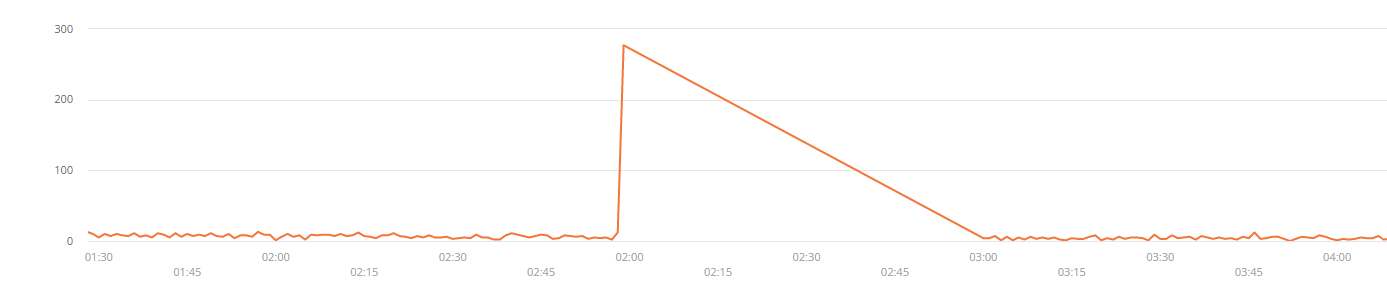
At the transition from summer to winter time, we move back one hour in the middle of the night. In France, for example, the time range between 02:00 and 02:59 is covered twice.
Events during the "first" range are collected normally, while events in the "second" range are all assigned at the minute 02:59. In the interface, this results in a traffic peak at 02:59, since this minute groups together events that have taken place during a whole hour.